Hero Instinct in Marriage: How We Found Our Way Back
The honest story of a fifteen-year marriage that went flat and the small daily shifts that rebuilt what routine had slowly taken away.

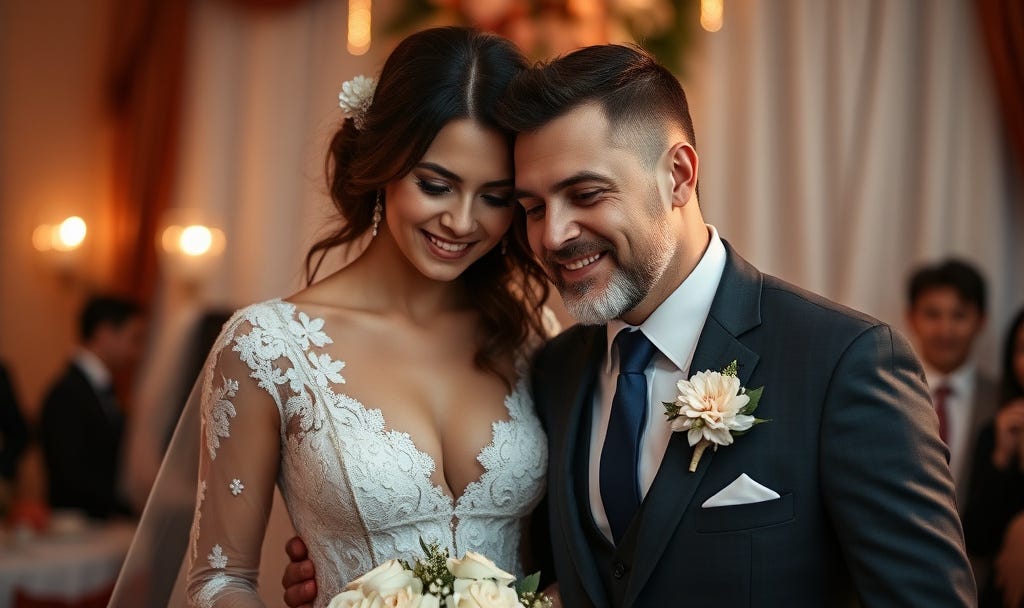
This one we are writing together, because it is the closest thing to our actual story. Fifteen years in, before the separation, we both became excellent at running a life together and slowly stopped feeling essential to each other. Not through any single mistake. Through routine quietly replacing intention until the absence became impossible to ignore.
Kiran: I remember a specific dinner. We had both come home. We made food. We talked about logistics who needed to be where, what bill was due, whether we needed groceries. And I realized, sitting across from him at that table, that we had not had a conversation in weeks that was not about running our life. He was there. I was there. The marriage was functioning. And I missed him. Not his presence. Him. The specific feeling of mattering to each other the way we once had.
Mehul: I felt it too, but I could not name it. I knew something was missing. I thought maybe that was just what long marriage felt like. I was present. I was reliable. I was doing everything I was supposed to do. And I had this vague sense that there should be more, without any clarity about what "more" would look like or how to get there. It was not unhappiness exactly. It was flatness. The absence of something I could not quite describe.
What the Research Confirms
Gottman's longitudinal research found that long-married couples who sustain strong relationships maintain a meaningfully higher ratio of positive to negative interactions, built through small, consistent daily moments rather than infrequent large gestures. The finding is simple and hard to live: the marriage stays alive through accumulation, not through events. A single dramatic gesture does not save a marriage that has gone flat. Hundreds of small moments of genuine connection do.
The hardest thing to admit honestly is that the problem in a long marriage is rarely a lack of love. It is the slow replacement of being chosen with simply being present. And the fix does not arrive through one conversation or one gesture. It arrives through the same kind of small, repeated attention this entire conversation has been describing.
What Actually Changed
Kiran: I started saying what I actually noticed. Not constantly. Just when it was real. "I like how you handled that." "I felt safer knowing you were taking care of it." Small observations. Specific. Not praise in general. Recognition of something particular he did that mattered to me. And I stopped expecting immediate transformation. I just kept noticing and saying, when I genuinely felt it.
Mehul: What changed for me was feeling seen again. Not for being a good husband in general. For specific things I did that created specific feelings for her. That recognition made me want to do more of those things. Not because I was being managed toward better behavior. Because being seen felt good, and I wanted more of that feeling. It was that simple and that slow.
The after did not arrive dramatically. It arrived in small moments that accumulated. A glance across a room that lasted a second longer than it had in years. A conversation that was not about logistics. The gradual return of feeling essential rather than just present.
If you want practical examples of what these conversations can actually sound like day to day, this piece on real conversation examples is a good next read the specific words and moments that make a man feel seen and valued. And what genuinely helped us is explained in more depth in James Bauer's free presentation, which we still recommend honestly the framework that helped us understand what had gone missing and how to rebuild it. The early version of this same connection back when dating first started is something it is worth seeing how the two stages relate.
FAQ
Why does marriage feel like roommates after years together?
Because routine slowly replaces intention. Both partners become excellent at running a life together and forget to make each other feel essential. The shift is so gradual that neither person notices the exact moment the feeling disappeared.
How do you rebuild connection in a long-term marriage?
Through small, consistent daily moments of genuine recognition. Not grand gestures. Not dramatic conversations. The accumulation of small observations, spoken out loud, that make your partner feel specifically seen rather than generally present.
Can the hero instinct be triggered in a fifteen-year marriage?
Yes. Men do not stop wanting to feel essential. They stop being given the opportunity. The opportunity is created through daily attention, genuine noticing, and the specific expression of what your partner contributes that no one else can.
What if only one of us is trying?
One person changing their behavior can shift the dynamic, but both people need to eventually participate for the change to hold. Start with what you can control your own attention, your own expressions of recognition. Sometimes that shift invites the other person in. Sometimes it reveals that the other person is not willing to meet you, which is information you need.
AUTHOR BIO
Kiran and Mehul write together about the drift and return of their fifteen-year marriage, sharing both perspectives on what went wrong and what rebuilt it.